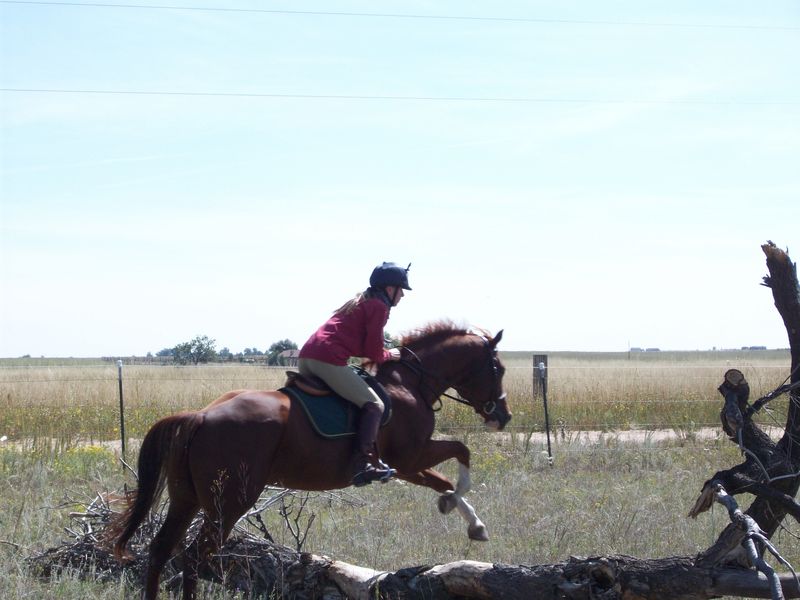
On 26th April 1973 at 12:15 p.m. I took my first riding lesson at Brook Farm, a British Horse Society approved riding school in Wiltshire, England. I was eight years old; the small chestnut gelding I rode was named Pickles. This lesson marked the beginning of my journey with horses. My instructor commented on my “natural talent” and complemented my ability to post the trot on my very first lesson; perhaps this was assisted by the hours spent prior to taking lessons practicing on a kitchen chair with string reins and stirrups. I took regular group lessons for many years, riding a selection of school horses, some of which were fun to ride, but most presenting challenges of some kind. As a talented young rider I was often presented with the green, difficult horses to ride. Lessons incorporated safe teaching techniques both in the saddle and on the ground and were progressive, focusing on developing a balanced seat and a ‘feel’ for the horse. Instructors were strict and demanded 100% effort at all times. On no account was the horse to be blamed for mistakes; we were expected to become better riders! I took part in regular ‘hacks’ (rides around the countryside) which helped to sharpen rider reactions and improve ability to handle different horses on rough terrain, in company with other horses, riding at all gaits over fixed natural obstacles. I attended many riding school courses which, as well as practical lessons, included classroom lectures on horse psychology, biomechanics, care and management. I took part in regular shows and events, including gymkhanas, drill team displays, show jumping, cross country jumping and dressage. I realize now that my time at Brook Farm Riding Stables instilled in me the necessity for safe and effective horse handling and correct riding techniques and I began to develop my ability to ‘read’ and understand horses.
In the spring of 1979 I acquired my first horse, Cream Cracker. He taught me how much I still had to learn. He bucked, reared, kicked, bit and ran away with me and was very barn sour. He had the dubious ability to perform ‘airs above the ground’; repeatedly rearing then bucking immediately afterwards. I did not ever fall off Cream Cracker and I thank him for the great ‘seat’ I have today. Cream Cracker taught me that stronger bits and training aids or gadgets are not a ‘quick fix’ solution. They just prove a lack of rider/handler skills. There is no substitute for correct riding, progressive training and horsemanship knowledge. Cream Cracker was one of my best teachers. My next horse, Jemma, was rescued in 1980 while on transport to the slaughter yard. Jemma was more honest in nature, or perhaps by then I had become a better horseperson. The family budget was tight; Jemma was kept at pasture four miles from home, whatever the weather I rode my bicycle there twice daily to feed and take care of her. There was no money for lessons; I had to train alone. There was no horse trailer for transport; I had to ride the roads for up to two hours to get to shows. Hard work and dedication paid off and a year or so later I was successful on the local show jumping circuit. In 1981 I bought a young Welsh filly to train. Sherry was my first breaking and training project; she cost me $30 and some years later I sold her for $350 as a child’s pony. She too was a great teacher!
In 1982 I was employed by The Imperial Arabian Stud, working with the well bred Crabbet bloodline. This provided invaluable hands on experience with stallions, mares and young stock and also furthered my education in the care, management and handling of horses. In 1983 I began teaching friends to ride, also helping them with horse training issues. I progressed to giving lessons at the local riding stables and had the opportunity to compete on clients’ horses at dressage, show jumping and cross country events. I also took part in fox hunting and one day events.
During the early 1990’s I worked with Thoroughbred race horses, starting two year olds ready for the track, and continued teaching, training and showing. I studied classical dressage and natural horsemanship and have since incorporated classical riding, equine psychology and natural horsemanship concepts and techniques into my teaching and training programs. I have worked with many horses with successful results, focusing on the whole horse; physically, mentally and emotionally.
September 1999 I passed British Horse Society examinations and in April 2000 I passed Association of British Riding Schools examinations and so became a certified instructor.
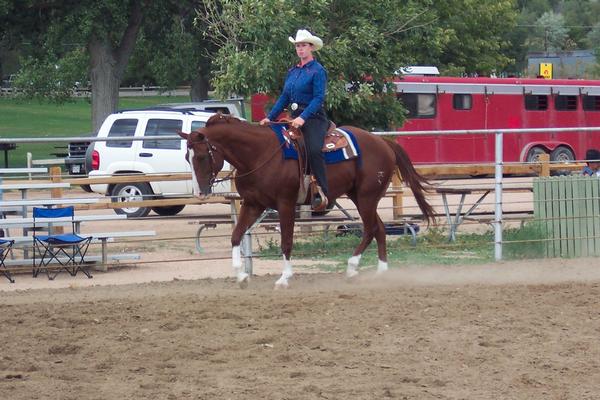
In April 2001 I moved to America and learned how to ride Western. I have shown Dressage, Hunter/Jumper, English Equitation, Hunt Seat and Western (Showmanship, Pleasure, Horsemanship) and Trail, with great results and many blue ribbon victories. I have had the pleasure of working with many students and their horses and continue to offer high quality, professional, boarding, teaching and training services. I educate my students in safe, effective horse handling and riding techniques, and encourage students to learn all about the horse, not just how to ride.
Disciplines I have trained and shown in:
Dressage
Show Jumping
Cross Country
Working Hunter
Hunt Seat
English Pleasure/Equitation
Western Pleasure/Horsemanship
Showmanship
Drill Team
Trail
Breeds I have trained and worked with:
Welsh Ponies, sections A - D
Shetland Ponies
Exmoor, Dartmoor, Dales, Fell, Connemara and other British Native Breeds
Cleveland Bay
Andalusian
Arabian
Morgan
Thoroughbred
Appendix, Quarter Horse
Paint
Warmbloods
I understand that my education with horses is an on going process; ultimately the horse is the best teacher. Horsemanship is an art and learning about horses is a life-long journey.